

Myths about
Automation and robotics
WEBER clarifies:
Realities and potentials
behind the myths of robotics
5 myths about robotics and automation
In the rapidly advancing era of automation and robotics, there are numerous myths and misconceptions that influence the perception of these revolutionary technologies. From fears of job losses to futuristic notions of autonomous robots dominating humanity, ideas about automation are often riddled with misinformation. Contrary to preconceptions, we find that the proper integration of automation and robotics not only transforms ways of working, but also opens up a wealth of opportunities for innovation, increased efficiency and human progress.
Myth 1: Robotics and automation is mainly good for reducing operating costs
Wrong! Automation solutions offer an effective response to the global skills shortage by automating the machining of heavy workpieces, increasing work safety and reallocating labor to more demanding, value-adding processes. They also help to drive digitalization and optimize manufacturing processes.
Myth 2: Sustainable production requires the use of industrial robots
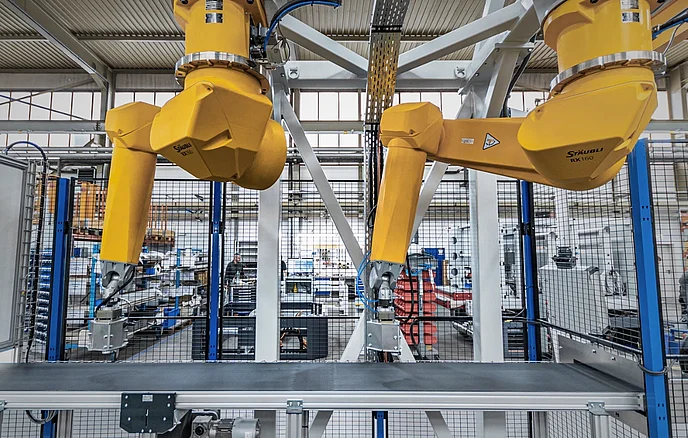
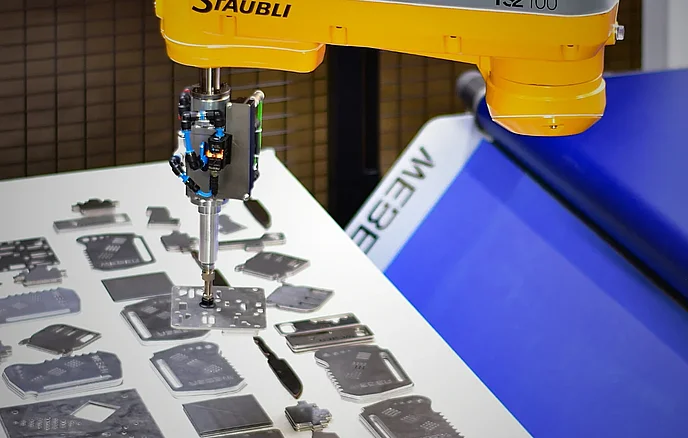
Absolutely correct! Industrial robots play a crucial role in maximizing sustainability in production, as they not only minimize the generation of production waste, but also efficiently reduce material consumption. Our vision-guided industrial robots from WEBER even go one step further and actively support recycling by precisely identifying individual components and breaking them down into recyclable parts. In addition, WEBER's advanced technologies enable flexible adaptation of production to changing environmental standards, promoting long-term environmental responsibility.
Myth 3: Robots replace the majority of employees
This is definitely a misconception! Modern production and logistics companies are increasingly relying on robotics and automation technologies to increase their efficiency. The aim of using robots is not to replace jobs, but rather to relieve employees of monotonous, dangerous or unhealthy tasks. The integration of robots makes it possible to use human resources more wisely and promotes a working environment that is both safe and productive. Our conviction is clear: employees are and will remain an indispensable part of any successful production or work process. Let us convince you of the benefits of harmonious human-robot collaboration and increase the efficiency of your company.

Myth 4: Automation is expensive to purchase
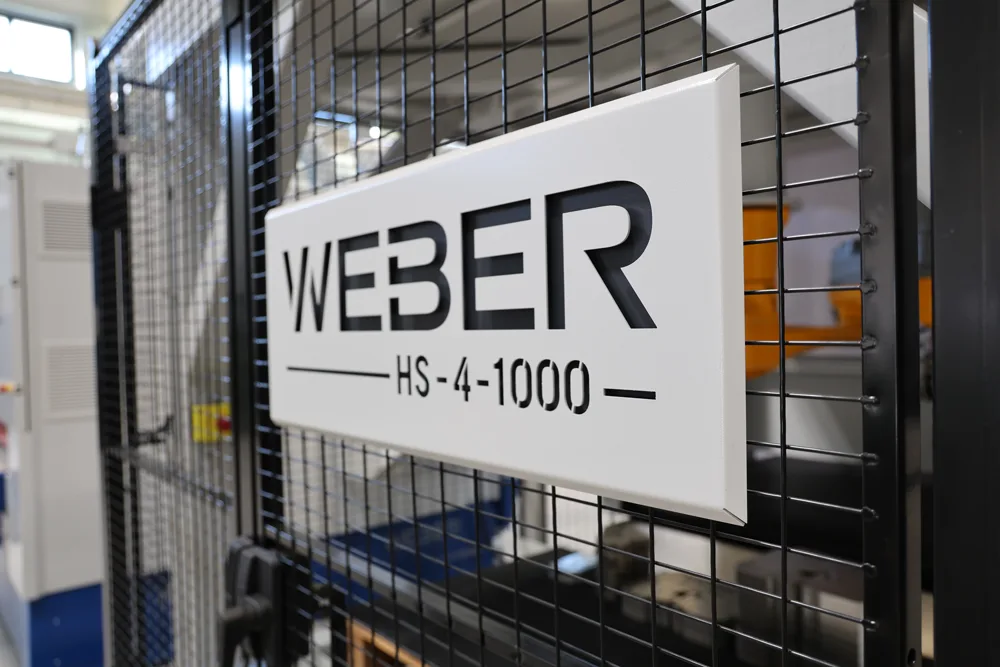
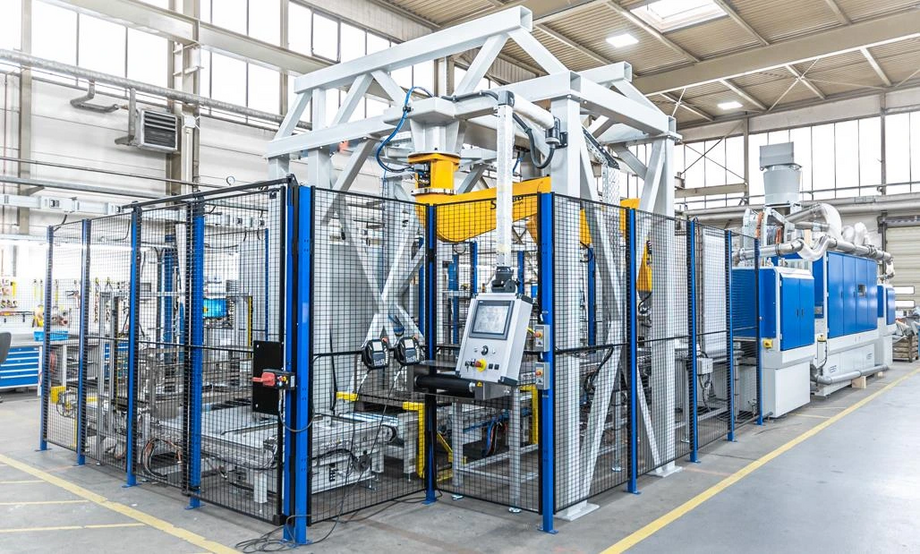
That is not correct! With targeted automation, companies can efficiently redistribute workers and deploy them in other areas. This results in considerable cost savings, leading to a rapid amortization of the automation investment. An outstanding example is the WEBER HS-4-1000 handling cell, which pays for itself within just one year in a three-shift operation. Companies also benefit from the fact that robots do not get sick and are virtually maintenance-free, which further reduces operating costs in the long term.
Myth 5: Operating robots is complicated and time-consuming
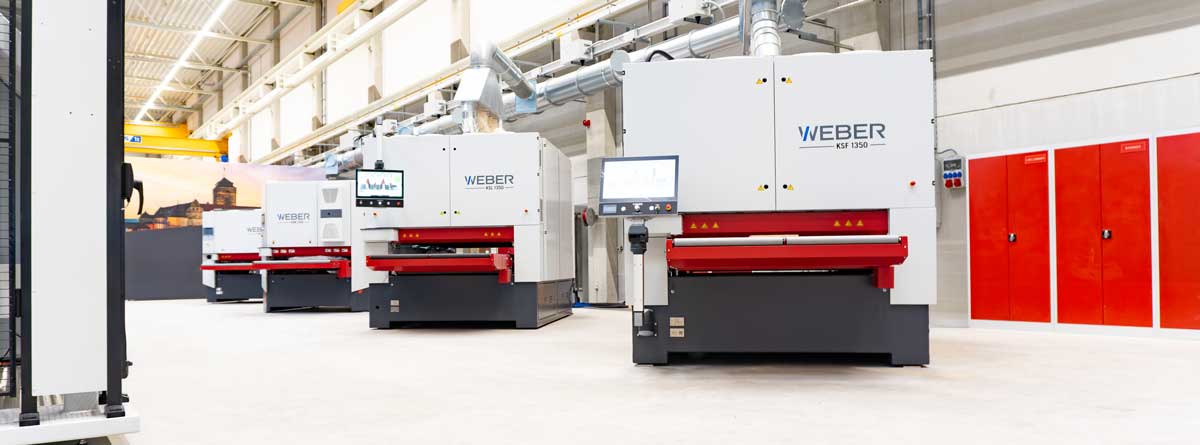
Not at all! WEBER machines focus on user-friendliness. All our systems are equipped with a 9-inch operator terminal as standard, based on the proven Siemens control system. The graphical user interface makes controlling the industrial robots and handling systems remarkably simple and efficient. Thanks to the clear matrix display, only the information relevant to the current operation is displayed, and all that is required is to select the desired type of workpiece processing.
More about our automation solutions
Arrange a Demo
Contact, Opening Hours, Locations
Solutions for the future - Contact us
Contact